Welcome
School buildings may well be the most exciting places in the world. Classrooms, libraries, hallways, gyms, and cafeterias are all laboratories where educators and students are engaged in the continuous experiment of learning.
Sometimes the learning experiment goes as expected.
Other times it doesn’t.
When a difficulty arises, whether it’s cognitive, behavioral, social, or emotional, students and educators work to find out why and what to do next.
That’s where WPS comes in.
We work with some of the world’s most renowned psychological and educational researchers to bring you trusted, validated assessments that explore each individual’s needs and abilities. In our 75 year history, we’ve helped millions of people the world over, working with educators and clinicians to answer those two critical questions: Why? And what do we do next?
We’ve prepared this 2023 School Resource Guide to share a few of the many assessments, intervention guides, and professional training opportunities we provide. It’s our hope that something in these pages will enable you to better understand a student, discover a path forward, improve a learning difficulty, and unlock the powerful human potential within every person at your school.
Sincerely,
Jeff Manson, CEO

Western Psychological Services
Table of Contents
Resources for Reading Specialists

A reading specialist wears a lot of hats. As a leader in your district, you’re charged with analyzing the reading needs of an entire school (sometimes even an entire district) and creating a plan to meet a wide variety of needs. Among your colleagues, you’re viewed as a reading expert and literacy coach, keeping your peers up to date on research and best practices. You may even act as a bridge between school and home, or between faculty and administration. And then there is the student with reading difficulties. To that student, you’re an advocate and, often, a teacher.
The role of a reading specialist is not only multi-faceted; it’s expanding.
Budgetary constraints and staff limitations mean every member of the faculty and administration is doing more work. Reading specialists are no exception. And with more states seeking to close the gap between the science of reading and accepted teaching practices, reading specialists are spending more of their time training colleagues who are moving from balanced literacy to structured literacy in the classroom.
Reading specialists are vital to student success.
With the nation facing historic reading deficits following the COVID-19 pandemic, your work as a reading specialist is more important than ever.
When you change one child’s reading life, you open up a world of possibilities for that child. That’s because reading skills affect almost every area of a student’s whole life: physical and mental health, long-term educational outcomes, employability, and even lifetime earning capacity (John et al., 2022).
Engaging and empowering young readers is your why. It’s part of your professional identity. It’s what you do for many children every day. WPS gets your why—because we share that passion. We can help you:
- choose the reading and dyslexia screeners and assessments that best match your school’s needs
- train your colleagues in the use of evidence-based assessments and interventions
- deepen your understanding of each student’s unique reading profile
- support your colleagues as they implement interventions and monitor progress
We invite you to reach out to a WPS Assessment Consultant in your area to learn more about these reading and dyslexia resources.
Reading Assessment Resources
Early Literacy & Reading Readiness
- Comprehensive Test of Phonological Processing, Second Edition (CTOPP-2). Widely used assessment to measure the phonological processes that underlie reading skills. Ages 4 to 24.
- Phonological and Print Awareness Scale (PPA Scale™). Quick screener that measures the phonological skills students need to learn to read. Easy to use in the classroom and great for progress-monitoring. Ages 3 ½ to 8.
Reading & Language Comprehension
- Oral and Written Language Scales, Second Edition (OWLS™-II) . Measures reading and listening comprehension plus verbal and written expression. Ages 3 to 21.
- Comprehensive Assessment of Spoken Language, Second Edition (CASL®-2) . Tests oral language processing of lexical/semantic, syntactic, supralinguistic, and pragmatic language skills.
Comprehensive Reading
- Tests of Dyslexia (TOD™)—Coming 2023. The first comprehensive general screener, assessment and intervention tool designed to streamline and simplify dyslexia assessment and ensure that all students get the help they need. (K-adult).
- Gray Oral Reading Tests, Fifth Edition (GORT-5). Identifies students with oral reading difficulties by measuring accuracy, reading rate, fluency, and comprehension. Ages 6 to 23.
- Nelson-Denny Reading Test, Forms I & J (NDRT). Tests reading ability, reading comprehension, and reading rate. High school and college students.
- Feifer Assessment of Reading (FAR). Comprehensive assessment of reading and its underlying skills. Helps educators understand impairment subtypes. Ages 4 to 21.
Fluency
- Test of Word Reading Efficiency, Second Edition (TOWRE-2). Measures two critical reading skills: phonetic decoding and sight word efficiency. Ages 6 to 24.
|
Downloadable, shareable infographics Dyslexia Characteristics at Different Ages Strategies to Improve Word Reading Skill in Struggling Readers |
Shareable Reading Blogs How to Assess the Five Components of Reading this School Year What to Know About Dyslexia’s Comorbidities |
Free Webinars Dyslexia 101: Understanding Dyslexia and its Impact on Reading, Spelling, and Self-Esteem |
Looking for practical guidance on elementary school reading instruction? Explore Providing Reading Interventions for Students in Grades 4-9, a practice guide prepared by the National Center for Education Evaluation.
Resources for Principals and School Leadership

Strong school leadership is as essential for student success as it is for teacher retention. Wallace Foundation researchers analyzed two decades of education research, finding that principals have nearly as great an impact on student achievement as teachers do. That impact is most positive when principals
- shape the instructional practices of teachers through effective coaching and evaluation
- build trust, teamwork, and a culture of continual learning
- facilitate genuine collaboration
- manage staff and school resources to achieve important aims (Grissom et al., 2021)
Yet principals and other school leaders are facing some pretty significant challenges today. A 2022 study by the Learning Sciences International (LSI)’s Applied Research Center found that principals and school leaders were struggling with:
- teacher burnout and overwhelm;
- low student engagement;
- Covid-19 learning loss; and
- ineffective programs that don’t meet school needs or district demands.
Other principals say tight budgets, resource shortages, and staffing problems are causing record levels of concern. School leaders are working harder than ever—and some worry they’re still not meeting students’ needs. A 2022 survey conducted by the National Association of Secondary School Principals (NASSP) showed that 57% of school leaders did not feel their school was meeting the needs of students with learning disabilities, for example.
Good principals need good partners.
WPS is here to help. We are experts at partnering with school leaders, school psychologists, and educators to identify and meet student needs. As a leading developer of the world’s most trusted academic, developmental, social emotional, and behavioral assessments, we create products that are affordable, effective, and easy to use. So you can gather the data your teachers need to make strong instructional decisions and collaborate to improve student outcomes.
WPS also provides evidence-based interventions to support and inform instruction. We’re on hand as your partner throughout the school year with world-class customer support and training to ensure that your staff can seamlessly adopt these tools to support learning, growth, and wellbeing.
WPS can’t solve every problem a principal faces during the day—but we can help you address parents’ concerns, clear the path to student achievement and wellbeing, and make your teachers’ jobs a little easier.
Products to Address Learning Loss
- School Motivation and Learning Strategies Inventory (SMALSI). Quick, cost-effective means of measuring strategies that lead to learning.
- Tests of Dyslexia (TOD). The first comprehensive general screener, assessment and intervention tool designed to streamline and simplify dyslexia assessment and ensure that all students get the help they need. (K-adult)
- Phonological and Print Awareness Scale (PPA Scale™). Quick screener that measures the phonological skills students need to learn to read. Easy to use in the classroom and great for progress-monitoring. Ages 3 ½ to 8.
- Building Early Literacy Skills – Phonological and Print Awareness Activities to accompany the PPA Scale. (Grades 3.5-9)
Behavioral and Mental Health Products
- Behavior Intervention Monitoring Assessment System 2 (BIMAS-2). A brief measure of social and emotional functioning. Ages 5-18.
- Piers-Harris Self-Concept Scale, Third Edition (Piers-Harris 3). An easy-to-administer assessment of self-concept, including items that measure six domains of mental health and identity.
- Revised Children’s Manifest Anxiety Scale, Second Edition (RCMAS 2). Measures anxiety levels and symptoms in children 6-19.
- Children’s Depression Inventory, Second Edition (CDI 2). Identifies symptoms of depression in children 7-13.
Looking for even more inspiration? Check out Leading Forward: Ideas from the Listening and Learning Tour, an exploration of innovative ideas from schools across the U.S., by Gregg Wieczorek, past president of the National Association of Secondary School Principals.
Resources for Directors of Curriculum and Instruction

In the RAND Corporation’s Fifth American School District Panel Survey (2022), school leaders across the country identified unfinished instruction as a top concern facing schools in the aftermath of the COVID pandemic. To address this concern, researchers recommended that districts identify which specific learning gaps exist for different groups of students—and then target those areas with effective academic interventions.
That’s excellent guidance. Following it can be challenge, especially for directors of curriculum and instruction tasked with correcting learning loss in many different content areas.
Where statewide assessments fall short
State-mandated standardized tests don’t always provide a detailed look at the skills that need improvement. Take reading skills, for example. State assessments may yield information about a student’s reading comprehension, but they don’t explore why a student doesn’t understand the text. Without that information, teachers can’t differentiate instruction to close each student’s gaps.
And state-wide academic assessments do not generally capture information about aspects of the curriculum such as social-emotional learning and mental health—two other areas of vital concern for educators.
Where WPS can make a difference
To create the fullest picture of each student’s skills, abilities, and needs, you need a year-round partnership with an assessment provider that can deliver insights into a wide range of academic, behavioral, and mental health data.
WPS knows those assessments need to be affordable. They need to be easy for teachers to use. And most important: The information they provide must be reliable. This might be a good moment to mention that we provide some of the world’s most trusted assessments. We are experts at partnering with school districts to deliver training, top-notch customer service, and guidance about which assessments each district needs to meet their unique curriculum and instructional needs.
Take a look at how we can help you complete unfinished instruction with validated assessments and evidence-based interventions.
Reading & Math Assessments
- Early Literacy & Reading Readiness
- Comprehensive Test of Phonological Processing, Second Edition (CTOPP-2). Widely used assessment to measure the phonological processes that underlie reading skills. Ages 4 to 24.
- Phonological and Print Awareness Scale (PPA Scale™). Quick screener that measures the phonological skills students need to learn to read. Easy to use in the classroom and great for progress-monitoring. Ages 3 ½ to 8.
Reading & Language Comprehension
- Oral and Written Language Scales, Second Edition (OWLS™-II) . Measures reading and listening comprehension plus verbal and written expression. Ages 3 to 21.
- Comprehensive Assessment of Spoken Language, Second Edition (CASL®-2) . Tests oral language processing of lexical/semantic, syntactic, supralinguistic, and pragmatic language skills.
Comprehensive
- Tests of Dyslexia (TOD™)—Coming 2023. The first comprehensive general screener, assessment and intervention tool designed to streamline and simplify dyslexia assessment and ensure that all students get the help they need. (K-adult).
- Gray Oral Reading Tests, Fifth Edition (GORT-5). Identifies students with oral reading difficulties by measuring accuracy, reading rate, fluency, and comprehension. Ages 6 to 23.
- Nelson-Denny Reading Test, Forms I & J (NDRT). Tests reading ability, reading comprehension, and reading rate. High school and college students.
- Feifer Assessment of Reading (FAR). Comprehensive assessment of reading and its underlying skills. Helps educators understand impairment subtypes. Ages 4 to 21.
- Feifer Assessment of Mathematics (FAM). Measures the mental processes that support math skills development. Ages 4 to 21.
|
Instructional Methods Can Build Math Self-Efficacy Research shows that students can develop a “can-do” attitude in math when instruction includes these four elements: anxiety coping skills, expert modeling, mental practice, social feedback on the student’s effort (Huang et al., 2020). Bonus: Using the strategies together lowered math test anxiety in study participants. |
Resources for Elementary School Teachers

Few jobs require the creativity, skill, flexibility, and sheer endurance of an elementary school teacher. In a single week, you might be called upon to
- plan engaging lessons that meet your state standards and the needs of many different students
- instruct students in a range of subject areas, including academic, elective, and social-emotional curricula
- use varied assessments to see what’s working, what’s not, and who’s having trouble
- pay close attention to the social interactions and emotional development of your students
- organize and supervise field learning experiences
- communicate with administrators, families, students, and colleagues
- carry out a host of extra duties to benefit your school community
- mentor or guide less experienced teachers
- develop your own professional skills
Add to this impressive list the crucial need to address the learning loss of the past few years. No teacher on earth, no matter how outstanding, should tackle this to-do list alone.
How WPS can help you with student learning
You already know that statewide assessments can shed light on what a student has learned throughout the year. But what about right now? Your skillfully created classroom assessments, both formative and summative, can help you track progress. But if a student isn’t making progress, you may need to understand more about why.
WPS provides some of the most trusted assessments in the world. Many are designed to give you quick and valuable insights right in your classroom. Others allow you to share your observations with school psychologists, special educators, and others on your team to develop comprehensive interventions.
How WPS can help you after an assessment, too
Speaking of interventions, we’ve got you covered there, too. Many of our assessments pair evidence-based interventions with assessment results so there’s no guesswork about how to move forward. Our products are backed by WPS Assessment Consultants with years of experience in schools and clinical practice. We provide the tools and we teach you how to use them—saving you time and frustration.
Whether you’re looking for a screener or something more, WPS offers resources to help you understand your students, plan and deliver the right interventions, and guide your students to new capabilities.
Reading Resources
- Tests of Dyslexia (TOD™)—Coming 2023. The first comprehensive general screener, assessment and intervention tool designed to streamline and simplify dyslexia assessment and ensure that all students get the help they need. (K-adult).
- Phonological and Print Awareness Scale (PPA Scale™). Quick screener that measures the phonological skills students need to learn to read. Easy to use in the classroom and great for progress-monitoring. Ages 3 ½ to 8.
- Building Early Literacy Skills – Phonological and Print Awareness Activities to accompany the PPA Scale. (Grades 3.5-9)
- Comprehensive Test of Phonological Processing, Second Edition (CTOPP-2). Widely used assessment to measure the phonological processes that underlie reading skills. Ages 4 to 24.
Social-Emotional Learning Resources
- Social-Emotional Learning Skills Inventory Screener (SELSI). Pilot phase.
- School Motivation and Learning Strategies Inventory (SMALSI). Quick, cost-effective means of measuring strategies that lead to learning.
- Risk Inventory and Strengths Evaluation (RISE). Identifies risk and resilience factors using parent, teacher, and self-report rating forms. Ages 9 to 25.
For a deeper look at math interventions that work, read Assisting Students Struggling with Mathematics: Intervention in the Elementary Grades, a practice guide prepared by the National Center for Education Evaluation and Regional Assistance.
Resources for School Counselors and School Psychologists

The scope of work for school counselors and school psychologists is truly breathtaking. Is there anyone on campus who doesn’t need you? Districts enlist you to offer counseling services in crises and natural disasters. Administrators count on you to nurture a healthy school climate. Faculty depend on your expertise to plan and teach social-emotional and mental health curricula. Students need you to help them understand their academic, social, and behavioral challenges. Families rely on you to guide them through assessments, evaluations, IEP meetings, mediations, and other processes. And health professionals and social workers in the community trust you to liaise with them in arranging the services students need to succeed.
WPS can put trusted tools in your hands to help you achieve much more in each area of your life-changing work.
How WPS can help with social-emotional learning (SEL)
When districts are focused on academic learning gains, it can be hard to get buy-in for SEL curricula from administrators and colleagues. One key strategy is to bring the data. WPS has validated inventories and assessments to show where students really are with
- Social-emotional skills
- School motivation and learning strategies
- Behavior intervention monitoring
- Self-concept
- Resilience factors
Equipped with data, visuals, and insights about your students, you can make the case for evidence-based SEL interventions—and you can track the effectiveness of your SEL interventions.
How WPS can help you evaluate, identify, and address learning disorders
When a teacher or parent refers a student for evaluation, you need to be able to clarify the reasons that student is struggling. Is there a gap in the multi-tiered system of supports? Are interventions falling short? Is there a social or emotional explanation? Is a deficit the result of a learning disorder—or a combination of factors?
Clear diagnoses are possible when you have the condition-specific tools you need to measure diagnostic criteria. Validated assessments are one important component in a comprehensive evaluation. In fact, many states and districts use them to help determine eligibility for services.
How WPS can help you identify neurodevelopmental and mental health conditions
Researchers agree that early intervention improves outcomes for students living with complex neurodevelopmental conditions such as autism and ADHD. WPS provides validated assessments to help you identify these conditions, as well as others that may overlap or occur at the same time.
In addition, the US Preventive Service Task Force now recommends that students in K-12 schools be screened for anxiety and depression—a task you can accomplish quickly and reliably using trusted WPS screeners and assessments.
Neurodevelopmental Assessments
- Autism Diagnostic Observation Schedule, Second Edition (ADOS®-2). The “gold standard” for identifying autism. Ages 12 moths to adult.
- Monteiro Interview Guidelines for Diagnosing the Autism Spectrum, Second Edition (MIGDAS™-2). Sensory-based interactive interviews to identify autism. Toddlers through adult years.
- Autism Diagnostic Interview–Revised (ADI®-R). Trusted by researchers for decades to distinguish autism from other developmental differences. Ages 2 and up.
- Behavior Rating Inventory of Executive Function, Second Edition (BRIEF2) and Behavior Rating Inventory of Executive Function–Preschool (BRIEF-P). These measures gather information from parents, teachers, and students to measure a student’s behavioral, cognitive and emotional regulation skills.
- Conners, Fourth Edition™ (Conners 4®). Measures cognitive, behavioral, and emotional characteristics often associated with attention-deficit/hyperactivity disorder (ADHD). Ages 6 10 18.
- Childhood Autism Rating Scale, Second Edition (CARS™2-ST and CARS™2-HF). Widely used observational autism assessment. Ages 2 and up.
- Social Responsiveness Scale, Second Edition (SRS™-2). Collects information from parents, teachers, and other stakeholders to identify the degree of difference in social awareness, communication, and responsiveness. Ages 2 ½ to adult.
- Autism Spectrum Rating Scales (ASRS). Norm-referenced autism assessment that incorporates parent and teacher rating scales. Ages 2 to 18.
- Sensory Processing Measure, Second Edition and SPM-2 Quick Tips™ (SPM™-2). Creates full picture of a child’s sensory processing abilities using rating scales from parents, teachers, and other school staff. Ages 5 10 12.
Mental Health and Behavioral Assessments
- Behavior Intervention Monitoring Assessment System 2 (BIMAS-2). A brief measure of social and emotional functioning. Ages 5-18.
- Piers-Harris Self-Concept Scale, Third Edition (Piers-Harris 3). An easy-to-administer assessment of self-concept, including items that measure six domains of mental health and identity.
- Revised Children’s Manifest Anxiety Scale, Second Edition (RCMAS 2). Measures anxiety levels and symptoms in children 6-19.
- Children’s Depression Inventory, Second Edition (CDI 2). Identifies symptoms of depression in children 7-13.
- Adaptive Behavior Assessment System, Third Edition (ABAS®-3). Assesses daily functioning (adaptive behaviors) using information from parents, caregivers, teachers, and daycare teachers. Birth to 89.
- Developmental Profile 4 (DP-4). World’s leading measure of child development in five areas: physical, adaptive behavior, social-emotional, cognitive, and communication. Birth to 21.
- Risk Inventory and Strengths Evaluation (RISE). Identifies risk and resilience factors using parent, teacher, and self-report rating forms. Ages 9 to 25.
|
Know the Barriers to SEL Implementation In a 2022 survey by the EdWeek Research Center, educators said they face these barriers in implementing SEL programs:
Explore WPS online SEL resources for schools here. |
Special Education Teachers

Special education is an immense field staffed by remarkably dedicated specialists. It aims to meet the educational needs of students with
- learning disabilities
- neurodevelopmental conditions
- physical disabilities
- sensory differences
- intellectual disabilities
- chronic health conditions
- emotional or behavioral disorders and
- any other condition that affects a student’s ability to learn
As a special education teacher, you’re part of the team that decides which students receive special education services. Toward that end, you gather data on student performance throughout the year—and yet you know that no student can ever be reduced to a number.
Even so, scores can be used to make important decisions about whether a student is eligible for services and accommodations that can be life-changing. The question for many special education teachers is: How can you use data to discover—rather than to define—a student? That question takes on added importance when you’re working to reduce inequities and open up possibilities for all your students.
How WPS can help you ensure your assessments are inclusive
One strategy is to include validated assessments as a single component in a comprehensive evaluation. You can vary the types of assessments you use: Observations, interviews, rating scales, and standardized tests each yield different kinds of information. When you combine assessment data with information you gather from teachers, coaches, families, caregivers, and other health professionals, you can create a fuller, clearer picture of the student at the heart of your evaluation.
WPS assessments are normed using U.S. census data, so they’re representative of the overall population. Many WPS tests are available in multiple languages and can be administered online or in person. To help you meet the needs of students with disabilities, WPS Assessment Consultants are available to discuss appropriate accommodations for the tests you plan to administer.
How WPS can help you improve evaluation accuracy
With growing caseloads and expanding responsibilities, it’s more important than ever to use validated assessments that measure diagnostic criteria accurately. Inaccurate results waste time and delay effective interventions.
Here’s an example. If a student’s response to reading interventions has raised concerns about a learning disorder, you need an assessment that can help you identify dyslexia—such as the new Tests of Dyslexia (TOD). If you’re also concerned about the higher risk of ADHD among students with dyslexia, you may feel it’s also important to assess ADHD symptoms using a measure such as the Conners 4. If a student’s self-esteem has been affected by reading and attention difficulties, you may also decide to screen for anxiety and depression as well. WPS offers a wide range of diagnostic assessments to help you accurately describe the capabilities and meet the needs of each student in your care.
It’s also important to expand access to diagnostic testing to every student in need. Many digital assessments can be administered and scored online, which gives you greater flexibility in how, when, and where to carry out evaluations.
|
What stops people from collecting data for IEP goals? In a 2018 study involving special educators, researchers found that just 21% consistently collected data for IEP goals. The biggest roadblock to good data collection? The educator’s perceived behavioral control. Did the educator believe it was possible to collect the data they needed? Time, caseloads, schedules, and unclear measurement systems all factored into teachers’ beliefs about their ability to gather the necessary data (Ruble et al., 2018). |
Learning Disabilities and Differences
- Tests of Dyslexia (TOD™)—Coming 2023. The first comprehensive general screener, assessment and intervention tool designed to streamline and simplify dyslexia assessment and ensure that all students get the help they need. (K-adult).
- Gray Oral Reading Tests, Fifth Edition (GORT-5). Identifies students with oral reading difficulties by measuring accuracy, reading rate, fluency, and comprehension. Ages 6 to 23.
- Nelson-Denny Reading Test, Forms I & J (NDRT). Tests reading ability, reading comprehension, and reading rate. High school and college students.
- Feifer Assessment of Reading (FAR). Comprehensive assessment of reading and its underlying skills. Helps educators understand impairment subtypes. Ages 4 to 21.
- Feifer Assessment of Mathematics (FAM). Measures the mental processes that support math skills development. Ages 4 to 21.
Neurodevelopmental Assessments
- Autism Diagnostic Observation Schedule, Second Edition (ADOS®-2). The “gold standard” for identifying autism. Ages 12 moths to adult.
- Monteiro Interview Guidelines for Diagnosing the Autism Spectrum, Second Edition (MIGDAS™-2). Sensory-based interactive interviews to identify autism. Toddlers through adult years.
- Autism Diagnostic Interview–Revised (ADI®-R). Trusted by researchers for decades to distinguish autism from other developmental differences. Ages 2 and up.
- Conners, Fourth Edition™ (Conners 4®). Measures cognitive, behavioral, and emotional characteristics often associated with attention-deficit/hyperactivity disorder (ADHD). Ages 6 10 18.
- Autism Spectrum Rating Scales (ASRS). Norm-referenced autism assessment that incorporates parent and teacher rating scales. Ages 2 to 18.
|
Numbers to Know In studies, children with learning disabilities are 2 to 8 times more likely to have clinical-level behavioral-emotional difficulties (Aro et al., 2022). 30%-50% of students with a reading disability also experience math disability, and 25%-50% of those with a reading disability also experience ADHD (Grigorenko et al., 2020). According to the Centers for Disease Control and Prevention (CDC), about 14% of children with ADHD also have autism (CDC, 2022). Interventions for reading disabilities are twice as effective if they’re begun in grades 1 or 2 as they are if they start in grade 3 (Grigorenko et al., 2020). |
Self-Care, Wellbeing…And Assessment?

For many educators, the culture of high-stakes testing has turned “assessments” into a negative word—one associated with skepticism, stress, and a fear of failure. Students, teachers, and administrators alike share the uncomfortable worry that they might not measure up. Researchers have found that this kind of shared test anxiety can change an entire school climate…and ultimately result in lower test scores (Wood et al., 2016).
These are simply not the kinds of assessments WPS provides.
We develop assessments that help us understand each other. These assessments help you describe what students can do, where they excel, and where they need more support. As one of our authors, Dr. Marilyn Monteiro, has said—a good assessment helps you “tell the strengths-based story” of the student.
This may be a good moment to reconsider the purpose and reclaim the power of a good assessment.
Here’s what research says about how you can take care of yourself and your students while giving and taking assessments.
Drink up. Getting enough water probably won’t make test scores soar. But staying hydrated has been shown to improve attention, mood, short-term memory, and reaction time, so make sure you and your students are well-watered before any test (Zhang et al., 2019).
Breathe deep. Small studies have found that daily mindful breathing can lower test anxiety. When a group of English language learners practiced breathing exercises in class, they told researchers the learning environment was “tranquil.” They felt more peace and empathy and less test anxiety (Tasan et al., 2021).
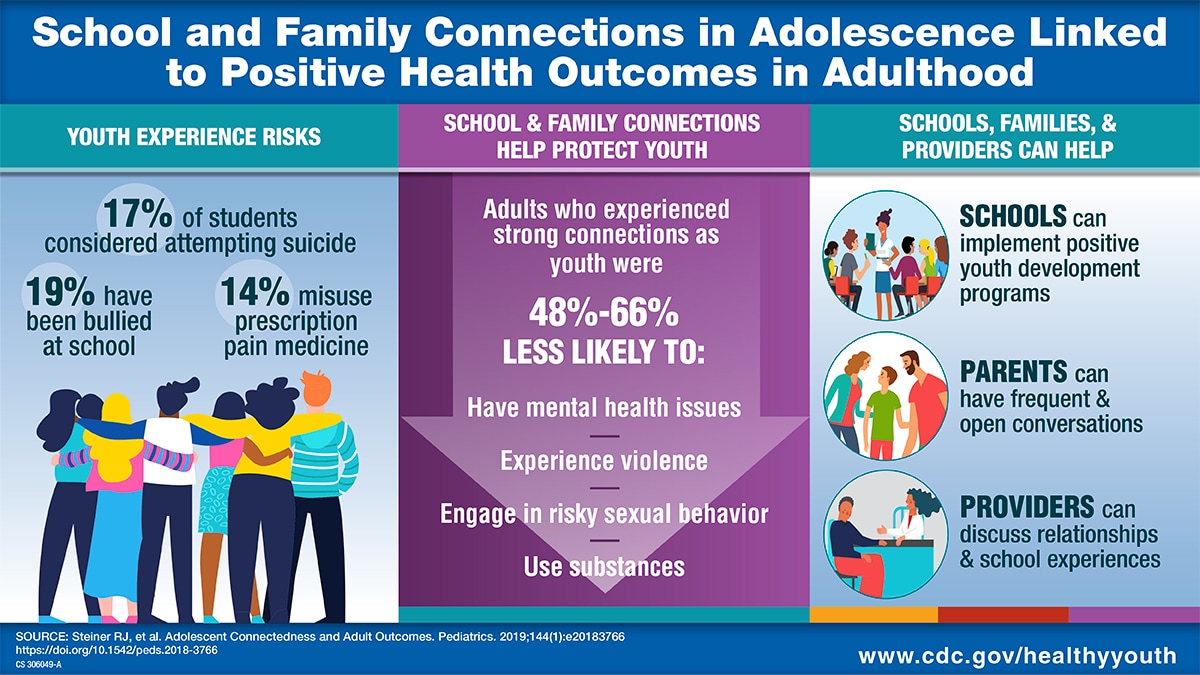
Exercise regularly. An analysis of 15 studies found that while a one-time short exercise intervention didn’t reduce test anxiety, 20 minutes of aerobic exercise twice a week over four weeks did lower stress levels in students (Zhang et al., 2022). Download this CDC infographic illustrating the link between exercise and academic achievement.
Stay in the present moment. It’s easy to worry about outcomes when it’s test-taking time. But there is some evidence that mindfulness, a practice which often includes strategies like meditation, reflection, body scans, and acceptance, lowers test anxiety for some people (Shahidi et al., 2017).
Our Invitation

For 75 years, WPS has been helping clinicians and educators understand and unlock potential within those they serve. What began with a single assessment to measure the effects of trauma on U.S. veterans has grown into a wide-ranging catalog of the most trusted, effective assessments in the world today. [Note to WPS: We can insert our people-data here once those figures are compiled.]
WPS works with renowned researchers, educators, and clinicians to develop validated tests and evidence-based interventions. Our test authors trust us because we hold them in high regard. They understand that WPS is made up of professionals who know—many from personal experience—that the right diagnosis and early intervention can change lives. For the better. Forever.
Sources
Aro, T., Eklund, K., Eloranta, A. K., Ahonen, T., & Rescorla, L. (2022). Learning disabilities elevate children's risk for behavioral-emotional problems: Differences between LD types, genders, and contexts. Journal of Learning Disabilities, 55(6), 465–481. https://doi.org/10.1177/00222194211056297
Centers for Disease Control and Prevention (2022, August 9). Data and statistics about ADHD. https://www.cdc.gov/ncbddd/adhd/data.html
Grigorenko, E. L., Compton, D. L., Fuchs, L. S., Wagner, R. K., Willcutt, E. G., & Fletcher, J. M. (2020). Understanding, educating, and supporting children with specific learning disabilities: 50 years of science and practice. The American Psychologist, 75(1), 37–51. https://doi.org/10.1037/amp0000452
Huang, X., Mayer, R. E., & Usher, E. L. (2020). Better together: Effects of four self-efficacy-building strategies on online statistical learning. Contemporary Educational Psychology, 63, 101924. https://doi.org/10.1016/j.cedpsych.2020.101924
John, A., Stott, J., & Richards, M. (2022). Childhood reading problems and cognitive ageing across mid to later life. Journal of Epidemiology and Community Health, 76(1), 67–74. https://doi.org/10.1136/jech-2020-215735
Ruble, L. A., McGrew, J. H., Wong, W. H., & Missall, K. N. (2018). Special education teachers' perceptions and intentions toward data collection. Journal of Early Intervention, 40(2), 177–191. https://doi.org/10.1177/1053815118771391
Shahidi, S., Akbari, H., & Zargar, F. (2017). Effectiveness of mindfulness-based stress reduction on emotion regulation and test anxiety in female high school students. Journal of Education and Health Promotion, 6, 87. https://doi.org/10.4103/jehp.jehp_98_16
Tasan, M., Mede, E., & Sadeghi, K. (2021). The effect of pranayamic breathing as a positive psychology exercise on foreign language learning anxiety and test anxiety among language learners at tertiary level. Frontiers in Psychology, 12, 742060. https://doi.org/10.3389/fpsyg.2021.742060
Wood, S. G., Hart, S. A., Little, C. W., & Phillips, B. M. (2016). Test anxiety and a high-stakes standardized reading comprehension test: A behavioral genetics perspective. Merrill-Palmer quarterly (Wayne State University. Press), 62(3), 233–251. https://doi.org/10.13110/merrpalmquar1982.62.3.0233
Zhang, N., Du, S. M., Zhang, J. F., & Ma, G. S. (2019). Effects of dehydration and rehydration on cognitive performance and mood among male college students in Cangzhou, China: A self-controlled trial. International Journal of Environmental Research and Public Health, 16(11), 1891. https://doi.org/10.3390/ijerph16111891
Zhang, X., Li, W., & Wang, J. (2022). Effects of exercise intervention on students' test anxiety: A systematic review with a meta-analysis. International Journal of Environmental Research and Public Health, 19(11), 6709. https://doi.org/10.3390/ijerph19116709
We invite you to explore the resources WPS can offer you and your school this year. As educators, you have our utmost respect, along with our commitment to be year-round partners in achieving great outcomes for your staff and students.